Match solar to your operations
A factory running two shifts uses electricity differently from an office that closes at six. We compare your usage with expected rooftop generation, including quieter days, to show how much solar you could use on site.
 Contact
From shop-floor machinery to office cooling, the electricity you use during daylight can come from your roof. See how your operating hours affect the solar power you can use and what that could save on your bill.
Estimate my business savings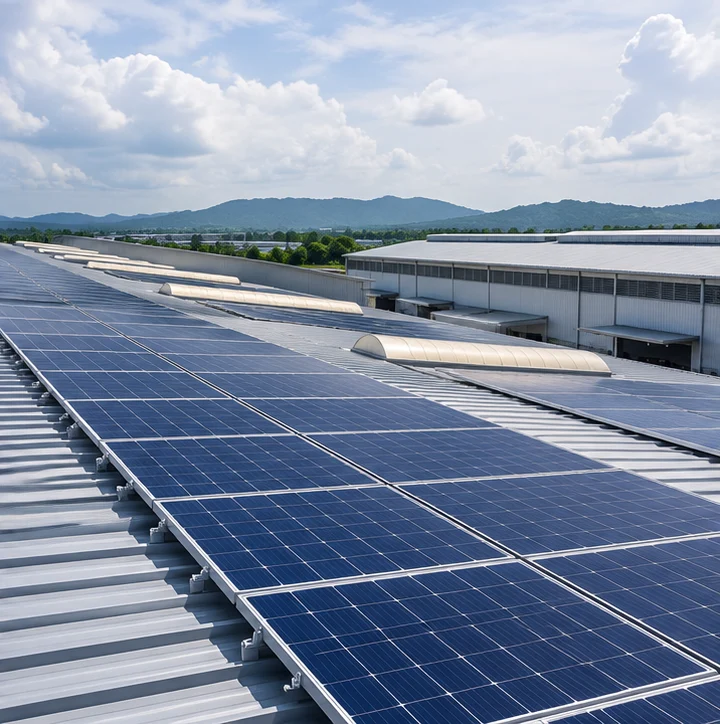
A factory running two shifts uses electricity differently from an office that closes at six. We compare your usage with expected rooftop generation, including quieter days, to show how much solar you could use on site.
We agree roof access, deliveries and work areas with your site team. If the electrical connection requires a power interruption, we identify the affected areas and agree a time with you in advance.
A battery can store surplus solar for a later shift. Depending on your tariff, it may also reduce demand charges. If outages are your concern, we assess backup for the equipment you need to keep running. Explore business storage
Use your monthly kWh or bill amount. TNB Non-Domestic Low Voltage General, Peninsular Malaysia.
If your tariff includes a demand charge, the highest half-hour average grid draw in the applicable billing hours can set that month’s demand charge. A brief motor start only contributes for as long as it lasts.
Stagger equipment runs where production allows. If machines must run together, a charged battery can supply part of their load during the overlap.
Explore battery peak shavingRooftop work can often take place while the building stays open. Deliveries, lifting and work above entrances need coordination. If the electrical connection requires a power interruption, we agree the timing and affected areas with your site team in advance.
Start with the roof’s condition and any planned repairs. A site assessment checks the supporting structure, roof covering, drainage and access for maintenance. If a roof replacement is coming up, plan the two projects together.
Equipment left running, such as refrigeration or ventilation, can still use solar power. Surplus can charge a battery if one is installed and has room. What happens to the rest depends on your grid connection: export may be permitted, or the inverter may limit generation.
Solar can supply machinery and cooling during the daylight part of your shift. After sunset, the site draws from the grid unless stored energy or another supply is available. Your weekday and weekend meter readings show whether there is daytime surplus to store for the night shift.
Standard grid-connected solar shuts down during an outage. If cold storage, servers or control systems must stay on, identify those circuits and how long an interruption they can tolerate. That helps determine whether you need battery backup, a UPS or coordination with an existing generator.
Ask for monitoring access at handover so your facilities team can see generation and inverter alerts. A cloudy afternoon can explain a temporary dip. An inverter that stays offline or output that remains unusually low on comparable sunny days is worth reporting to your service contact.